
Loading...
Serving Jonesboro, AR and surrounding areas. (870) 393-5350
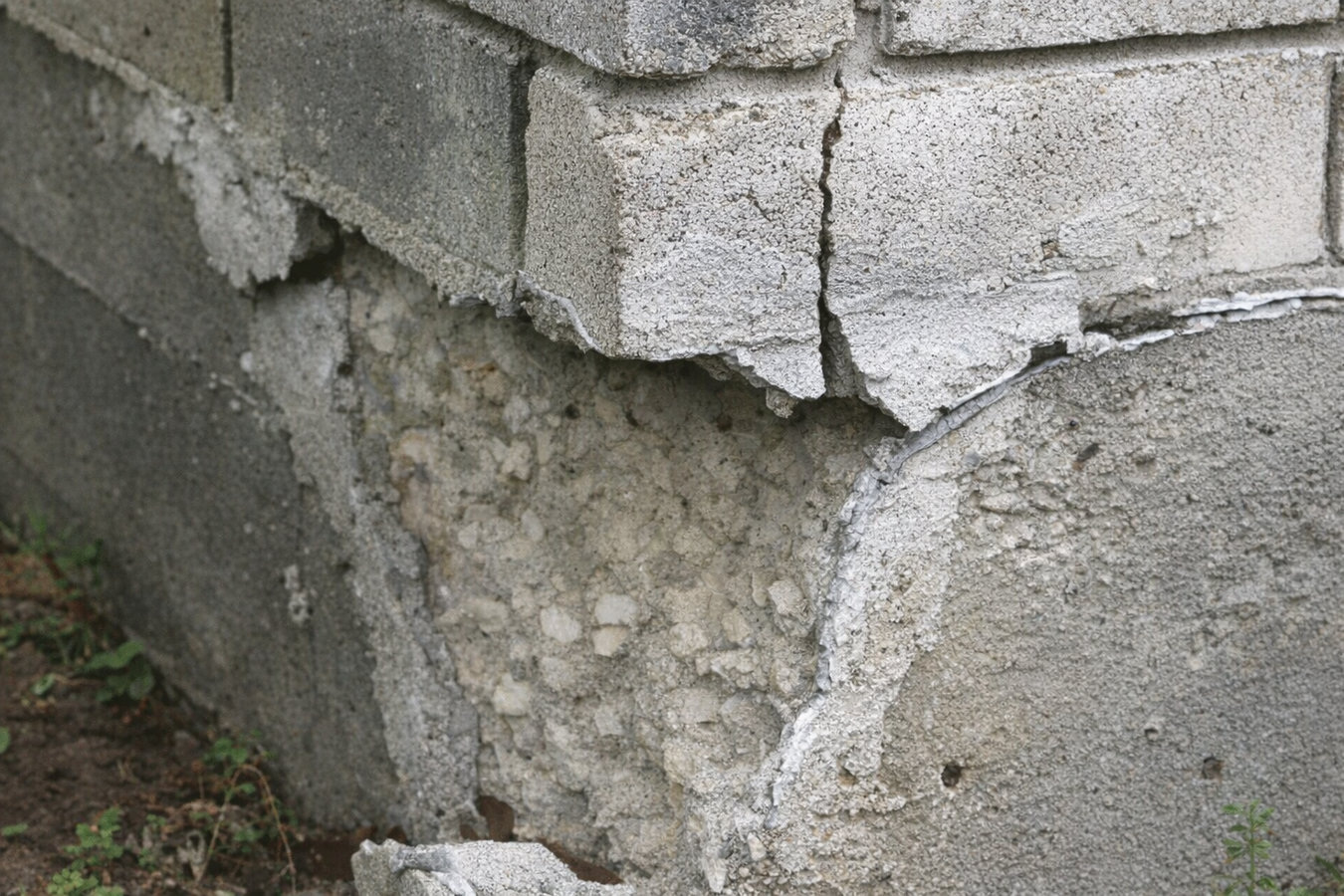
A sunken driveway, patio, or garage floor is a tripping hazard and a water problem waiting to get worse. We lift settled slabs in Jonesboro back to level with minimal disruption - no heavy excavation, no days of downtime.
Foundation raising in Jonesboro lifts a sunken or uneven concrete slab back to its original level position by pumping material underneath through small drilled holes - most residential jobs on a driveway, sidewalk, or garage floor take two to four hours and you can walk or drive on the surface again the same day.
Concrete does not sink because of the slab itself - it sinks because the soil underneath shifts, washes away, or compresses over time. In Jonesboro, the heavy clay that sits beneath most properties is the main driver: it swells when wet and shrinks when dry, and that constant movement eventually pulls support away from the slab above. Foundation raising in Jonesboro works best when the underlying drainage problem is addressed at the same time the slab is lifted, not patched over.
Customers who have a slab that has already settled often have related issues nearby. Many also ask about concrete cutting to remove sections that are cracked beyond repair, and some projects eventually grow into a full slab foundation building project if replacement is the better long-term call.
Walk your driveway, sidewalk, or patio and look for sections that are clearly lower than the ones next to them. Even a one-inch drop creates a tripping hazard and a channel that directs water toward your home. In Jonesboro, this kind of settling often shows up after a wet spring when clay soil has swelled and then dried unevenly - and it tends to get worse each year if left alone.
If standing water collects against your house or in low spots on your slab after Jonesboro's summer storms, that is a warning sign. Water sitting in those spots is actively eroding the soil underneath, making the settling worse with every rain event. The longer it pools, the bigger the void it creates below - and the bigger the repair job you will eventually face.
Tap the concrete with your heel or knock on it with a tool. A solid slab sounds dense. A hollow or drum-like sound means there is a void underneath - the soil has pulled away and nothing is supporting that section. This is one of the clearest signs that lifting is needed before the slab cracks under its own weight.
Look where your driveway, porch, or garage floor meets the wall of your home. A gap that was not there before - even a small one - means the slab has pulled away as it settled. That gap is also an open path for water to get underneath and make things worse. In older Jonesboro neighborhoods, this pattern is especially common after a dry summer follows a wet spring.
We lift settled residential slabs using both traditional mudjacking and polyurethane foam injection, depending on which method suits the slab, the soil condition, and how quickly you need to use the surface again. Mudjacking pumps a mixture of soil, water, and cement underneath the slab through small drilled holes - it is cost-effective for larger areas and works well on most residential projects. Polyurethane foam is lighter, cures within minutes rather than days, and is less likely to add weight that causes future settling. We will tell you honestly which method makes more sense for your specific situation. Both methods involve drilling holes roughly the size of a quarter, injecting material until the slab comes back to level, and then patching the holes cleanly before we leave. There is no heavy excavation, no torn landscaping, and no need to vacate your property.
Before we lift anything, we assess why the slab sank. A contractor who skips this step is treating the symptom, not the cause - and you will be back to square one after the next wet season. We also look at drainage around the slab and will tell you if grading or drainage improvements are needed alongside the lift. Projects where the void is too large or the slab is cracked beyond repair may be better served by concrete cutting and removal, followed by a fresh slab foundation building pour - we handle both, so you get an honest recommendation rather than a pitch for whatever is more profitable.
Best for larger settled areas like full driveways or long sidewalk runs where cost-per-square-foot matters most.
Ideal for homeowners who need to use the surface quickly, or where adding extra weight to the slab base is a concern.
Right for homeowners who are not sure whether lifting, cutting, or full replacement is the honest answer for their situation.
Jonesboro sits on heavy clay-rich soils throughout Craighead County that swell when wet and shrink when dry. That constant movement is one of the main reasons slabs sink and shift here - the ground underneath is literally changing size with the seasons. Jonesboro also averages close to 50 inches of rain per year, much of it falling in intense summer storms, followed by dry stretches that pull the clay away from slabs and footings. This wet-dry cycle is the single biggest driver of foundation movement in the area, and it means homeowners here often notice new settling every spring after the ground re-saturates. Neighborhoods near Arkansas State University and older areas like Brookfield and Westwood - built on fill soil from the 1950s through 1980s - tend to see more significant settling than newer west-side subdivisions, but no part of Jonesboro is immune. For more information on how soil conditions affect concrete, the American Concrete Institute provides guidance on slab repair approaches for expansive soil environments.
Homeowners in Jonesboro and neighboring Conway face similar soil and drainage challenges. Foundation raising done correctly - with a proper root-cause assessment - can hold for 10 years or more when the drainage is addressed at the same time. The ones that fail early are almost always the ones where the contractor lifted the slab without asking why it sank in the first place.
When you call, we ask a few basic questions - what is settling, roughly how large the area is, and whether you have noticed any cracking. We reply within one business day and can typically schedule an on-site estimate within a few days. You do not need to prepare anything for the visit.
We walk the affected area, measure the drop, and look for signs of what caused the settling - poor drainage, erosion, or soil compression. This step is not optional for us: a contractor who skips it and goes straight to a number is guessing, and guesses do not come with guarantees.
You receive a written estimate that spells out the scope of work, the method we will use, and the total cost. That number does not change unless the scope changes - and we will tell you before we proceed. If drainage work is needed alongside the lift, it appears as a separate line item.
The crew drills small holes, pumps material underneath until the slab is back to level, then patches every hole and cleans up before leaving. Most residential jobs take two to four hours. Depending on the method, you can walk on the surface within the hour and drive on it by end of day.
No pressure. Just a written estimate after we see the job in person - so you know exactly what it costs before anyone picks up a drill.
(870) 393-5350We do not drill a single hole until we understand why the slab sank. That assessment takes 20 minutes and changes everything about the repair - what material we use, how much, and what drainage steps we recommend alongside the lift. Skipping this step is how contractors set up repeat business at your expense.
Jonesboro's heavy clay behaves differently than soil in other parts of the country - it moves more, holds more water, and needs to be accounted for in every repair. We have lifted slabs throughout Craighead County and northeast Arkansas and know what local soil conditions require. That experience means fewer callbacks and more repairs that hold long-term. For detailed soil data for our area, the USDA Web Soil Survey provides county-level data on expansive clay distribution.
Arkansas requires contractors doing this type of work to hold a current license through the Arkansas Contractors Licensing Board - you can verify ours on their website at aclb.arkansas.gov. This matters because it means you have real legal recourse if something goes wrong, and your homeowner's insurance is more likely to be on solid ground. Unlicensed work is a bigger risk than most homeowners realize.
One of the most common complaints in this industry is a verbal quote that grows once work starts. Every estimate we provide is written and itemized. If the scope changes, we tell you before we proceed - not on invoice day. Jonesboro homeowners deserve straight answers about cost, and that is what we provide.
Foundation raising in Jonesboro is not complicated work - but it is work that fails in predictable ways when corners are cut. Every job we do is built on an honest assessment of why the slab sank, the right material for those specific soil conditions, and a written number you can hold us to.
When a slab is cracked beyond saving, precise cutting removes the damaged section cleanly so a proper repair can be made.
Learn moreIf raising will not hold, we pour a new concrete slab sized and reinforced for Jonesboro clay soil and drainage conditions.
Learn moreJonesboro's wet season puts more settling pressure on your concrete every year - call today for a free written estimate and stop the cycle.